
Himalaya Harbinger, Rudrapur Bureau
The recently concluded monsoon session of Parliament passed the Mines and Minerals Development (Amendment) Bill, which takes away the powers of states to impose levies on major minerals.
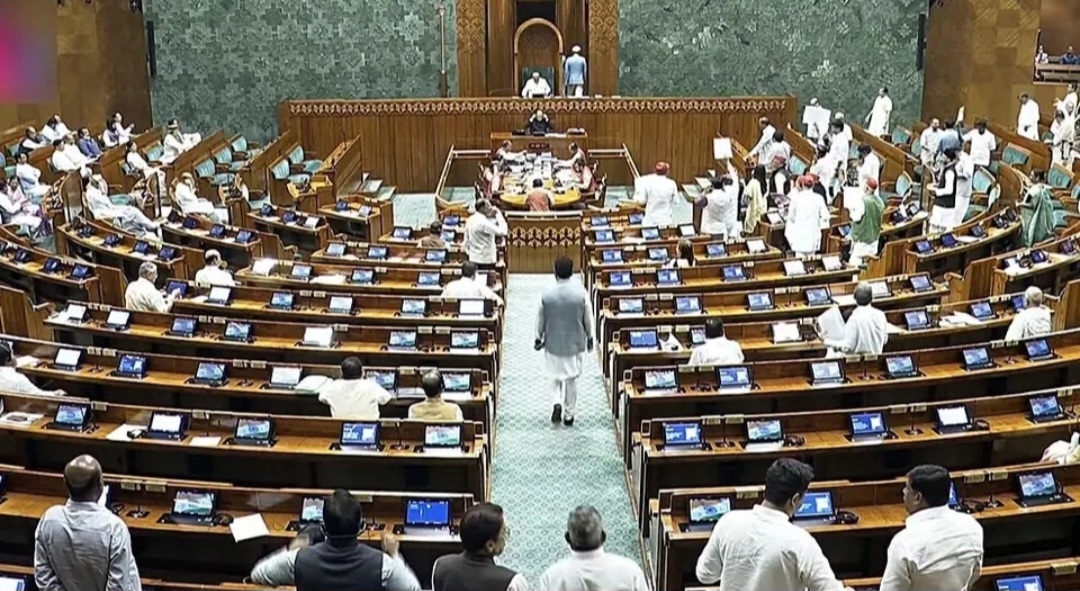
The bill, which restricts states from imposing additional, retrospective and unpredictable taxes was passed in both houses of Parliament without any substantive discussion.
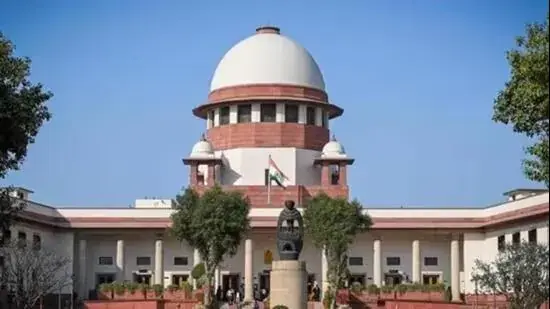
The law was primarily aimed to negate the impact of the July 25, 2024, Supreme Court judgement that allowed states to impose mineral tax and recover arrears retrospectively since April 1, 2005. It is estimated that the SC ruling would have allowed the states to recover arrears worth ₹1.5 to ₹2 lakh crore from major mining companies retrospectively.
In August 2024, the Jharkhand government became the first state to enforce the SC Constitution bench order by passing a tax, giving itself the right to impose different kinds of levies on mined minerals in the state
The Jharkhand government projected that it would generate ₹13,215 crore from the additional levies on minerals and it would amount to 84.9% of the non-tax revenue of the state in its budget for 2026-27,Around ₹9,000 crore of this revenue was designated to fund Jharkhand’s flagship Mukhyamantri Maiyan Samman Yojana (MMSY), under which the state government provides ₹2,500 to around 5.1 million women every month.
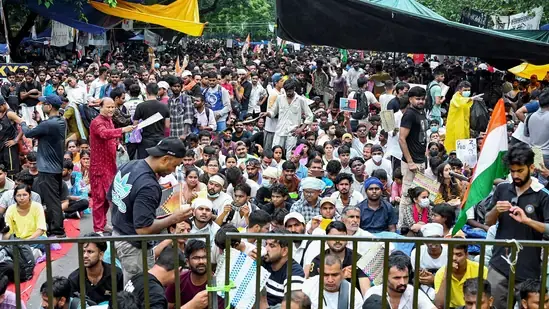
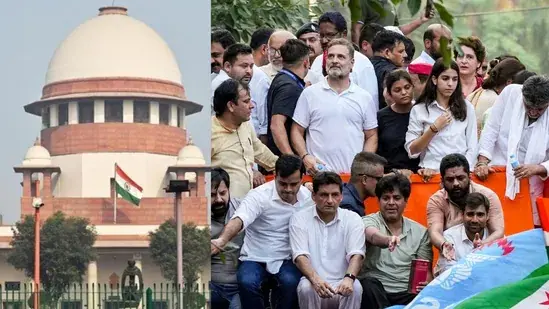
The ImpactJharkhand chief minister, Hemant Soren, has written Prime Minister Narendra Modi, highlighting the financial crunch the amendment would create, terming it against the interests of the tribal-dominated and backward Jharkhand.Former Kerala chief minister, Pinayari Vijayan, said that the amendment will “weaken” public sector undertakings and “benefit” the private sector.Soren’s party, the Jharkhand Mukti Morcha (JMM) and its alliance partner, the Congress, decided to launch a state-wide protest claiming the amendment was brought to curtail Jharkhand’s right to development.
Union government’s standargued that the amendment will not reduce revenue from mines for the states as they would continue to get 90% of the tax share and added that the aim was to bring “stability” to the major minerals sector.
Of the total ₹five lakh crore accrued in the financial year 2025-26, the minister said only ₹82,000 crore was Centre’s money and rest was distributed to states. This is the money, which his ministry gets and is then distributed to the states; the SC had allowed states to collect the levy themselves.
The Union government could have addressed several concerns of the state through the consultation process before introducing the bill in the house. But — as has been seen in recent years – consulting the states on policy matters has become rare. Through several centrally-sponsored schemes, the Union government has tried to impose its decision on the states, leading to states (read non-BJP ruled) approaching the Supreme Court.An alternate route to consult states through the Parliament standing committees has also not taken by the Union government despite demand by the opposition political parties. Since 2014, when the National Democratic Alliance came to power, less than 20% of the bills have witnessed standing committee scrutiny as compared to 80% during the United Progressive Alliance (UPA) rule between 2004 and 2014.
