


Himalaya Harbinger, Uttarakhand Bureau
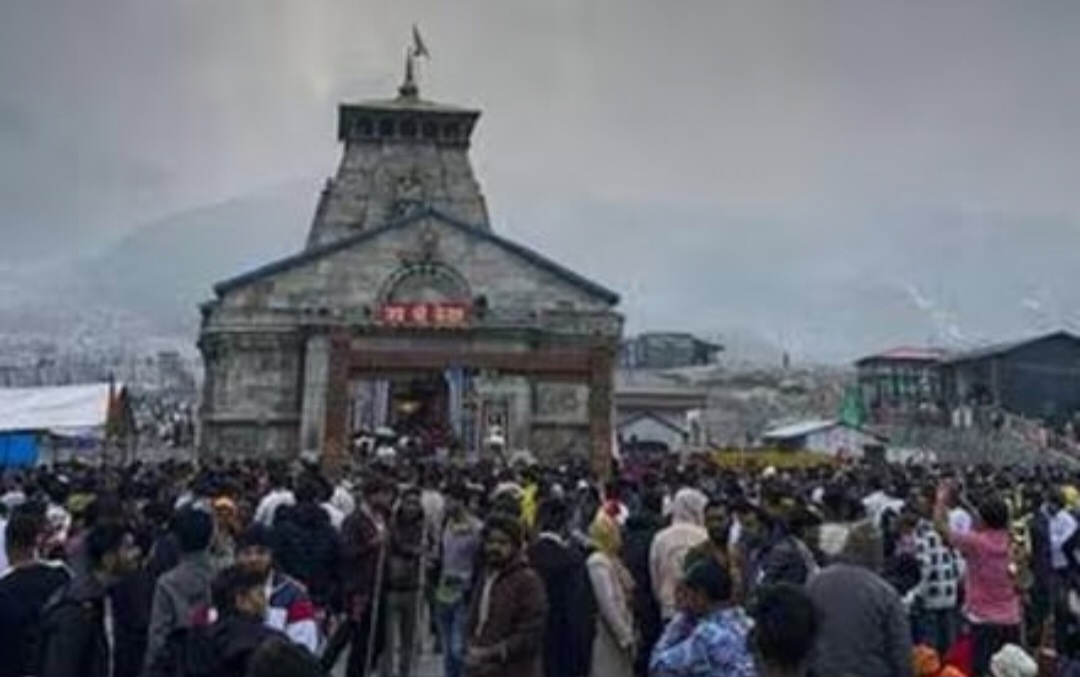
Uttarakhand will limit flight operations, deploy weather experts, and set up command centres as part of tightened safety measures ahead of the pilgrimage season beginning April 19, in view of five helicopter accidents within 40 days during the Char Dham Yatra last year.
Officials said a minimum of 1,500 flying hours, including 750 hours in mountainous terrain, have been made mandatory for pilots to operate flights for the pilgrimage. They added that companies whose helicopters were involved in accidents last year have been barred from operations this season, and a fresh tender process was conducted to replace them.
In June 2025, seven people were killed when a helicopter carrying pilgrims from Kedarnath to Guptkashi crashed near Gaurikund in Rudraprayag district, raising concerns over flight safety.
Uttarakhand Civil Aviation Development Authority (UCADA) chief executive officer Ashish Chauhan said flight operations have been reduced by 30%. “Command centres will be fully operational at Sersi in Rudraprayag and Sahastradhara (Dehradun). Two temporary air traffic control (ATC) units will be made operational. Work on permanent ATC infrastructure will begin soon,” he said after a review meeting on Wednesday.
Civil aviation ministry, Directorate General of Civil Aviation (DGCA), Airports Authority of India (AAI), and UCADA officials attended the meeting to assess preparedness and compliance with safety directives before clearance for helicopter operations.
Chauhan said the preparedness was satisfactory. He added that 33 cameras were being installed at helipads and other critical locations to provide real-time updates, including weather conditions, to strengthen monitoring. “Six ATC officers and two AAI personnel will be stationed across Kedarnath, Badrinath, Sahastradhara, and Sersi.”
Officials said UCADA will deploy officials from the India Meteorological Department. Automated Weather Observing Systems were being installed, and additional very high frequency communication systems would also be used.
Slope correction work is being undertaken at Kedarnath. Helipad expansion was in progress at Badrinath, and designated flight routes were being published. Marker balloons are being installed on high-tension power lines to improve visibility. “We have selected eight companies through a fresh tender process. Operators whose helicopters were involved in accidents in the past two years have not been allowed to participate,” Chauhan said. “No pilot will be allowed to operate without terrain familiarisation in the Kedarnath valley,” Chauhan said.
Operators have been directed to keep an additional helicopter on standby. UCADA will ensure regular maintenance checks and adopt a common ground-handling system. “DGCA will independently monitor compliance with standard operating procedures. Its team will also conduct trial flights with each operator without passengers to assess safety,” Chauhan said.
