



Himalaya Harbinger, Rudrapur Bureau.
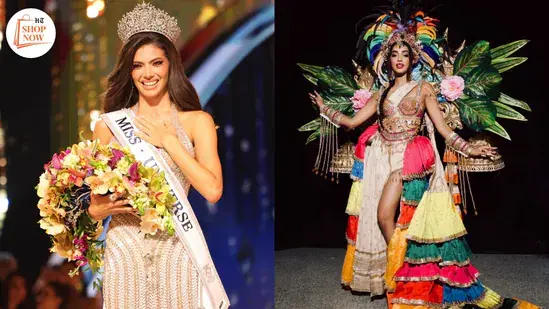
Puerto Rico’s Jennifer Barreto won Miss Universe 2026, but the finale also delivered memorable fashion moments, from national costumes to evening gowns.
The 75th edition of Miss Universe may have crowned Puerto Rico’s Jennifer Barreto as its new winner, but the pageant also offered plenty for fashion enthusiasts to take note of. From intricately crafted national costumes celebrating regional heritage to dramatic evening gowns, the competition brought together designers, cultural references and distinctive styling on one global stage.
India’s representative, Kaziah Liz Mejo, made it to the Top 30 but did not advance to the Top 12. While her journey ended before the final rounds, her outfits brought attention to Kerala’s traditional textiles and Indian craftsmanship. Here are some of the fashion moments that stood out at Miss Universe 2026.
1. Jennifer Barreto’s elegant white evening gown
The newly crowned Miss Universe, Jennifer Barreto of Puerto Rico, made a striking impression in a white evening gown during the preliminary competition. Named ‘Cisne Blanco’, the mermaid-style creation was designed by Thai label GL Garlate Design.
The gown featured a deep V-neckline, sculptural pleating around the shoulders and diagonal draping across the waist, flowing into a layered skirt and train. A dramatic white cape added to the presentation, creating a reveal as Barreto stepped onto the stage.
The look offered a lesson in how thoughtful draping and a clean colour palette can make a statement without relying on excessive embellishment.
2. Bea Millan-Windorski’s tribute to Filipino craftsmanship
The Philippines’ representative, Bea Millan-Windorski, stood out in the national costume segment with an ensemble inspired by the traditions of Kalinga and the Cordillera region. Designed by Anthony Ramirez, the outfit featured indigenous textiles, intricate beadwork, layered necklaces and earthen vessels balanced on her head.
The vessels referenced the Banga Salidsid, a traditional Kalinga dance associated with women carrying water. The design also brought attention to the importance of water access and environmental responsibility.
Bea later appeared in an ivory evening gown by Ramirez, inspired by the Philippines’ identity as the Pearl of the Orient. The creation incorporated mother-of-pearl details and motifs referencing marine life, including seashells and sea turtles.
3. Kaziah Liz Mejo’s Kerala-inspired ensembles
Although India’s Kaziah Liz Mejo did not make it to the Top 12, her fashion choices offered a strong connection to her roots. For the personal interview round, she wore a gown inspired by Kerala’s traditional Kasavu saree, incorporating meaningful accessories from her own journey.
Her national costume celebrated India’s textile diversity through fabrics sourced from different parts of the country. The elaborate creation also featured a backpiece inspired by Kerala’s natural beauty, architecture and cultural identity.
The outfit was a reminder that pageant fashion can go beyond dramatic silhouettes to communicate a sense of place, heritage and craftsmanship.
. National costumes turned into cultural storytelling
The national costume segment was among the most visually distinctive parts of the competition. Contestants drew inspiration from their countries’ landscapes, folklore, traditions and symbols, translating them into elaborate stage creations.
Japan’s Sayuki Ito channelled Kabuki theatre through a lion-inspired costume, while Mexico’s María Guadalupe Vargas Naranjo wore a pink ensemble inspired by flamingos. South Korea’s Yurim Kim looked to the country’s royal history, with a maroon and gold look inspired by Queen Seondeok and traditional hanbok styling.
These costumes demonstrated how fashion can become a visual introduction to a country’s cultural identity, with textiles, motifs, colours and accessories helping tell a larger story.
5. Evening gowns balanced drama with craftsmanship
The evening gown round brought a different kind of fashion spectacle, with contestants experimenting with colour, structure, embellishment and movement. From fluid silhouettes to heavily detailed creations, the gowns reflected different approaches to formalwear.
For pageant designers, the challenge is to create a look that photographs well, moves confidently on stage and has a distinctive identity under bright lights. Details such as the neckline, train, fabric finish and embellishment can make a significant difference to the overall impact.
This year’s competition showed that a memorable pageant gown does not necessarily need an exaggerated silhouette. Strong construction, considered detailing and confident styling can be just as effective.
What Miss Universe 2026 showed us about pageant fashion
Miss Universe fashion is not limited to evening gowns and sparkling stage outfits. The national costume segment, in particular, gives designers an opportunity to bring regional traditions and cultural references into contemporary visual storytelling.
This year’s edition offered examples of both spectacle and thoughtful craftsmanship. Jennifer Barreto took home the crown for Puerto Rico, while contestants from across the world brought their own interpretations of heritage and personal style to the stage. Even beyond the final results, the fashion moments made the 75th edition worth revisiting.
